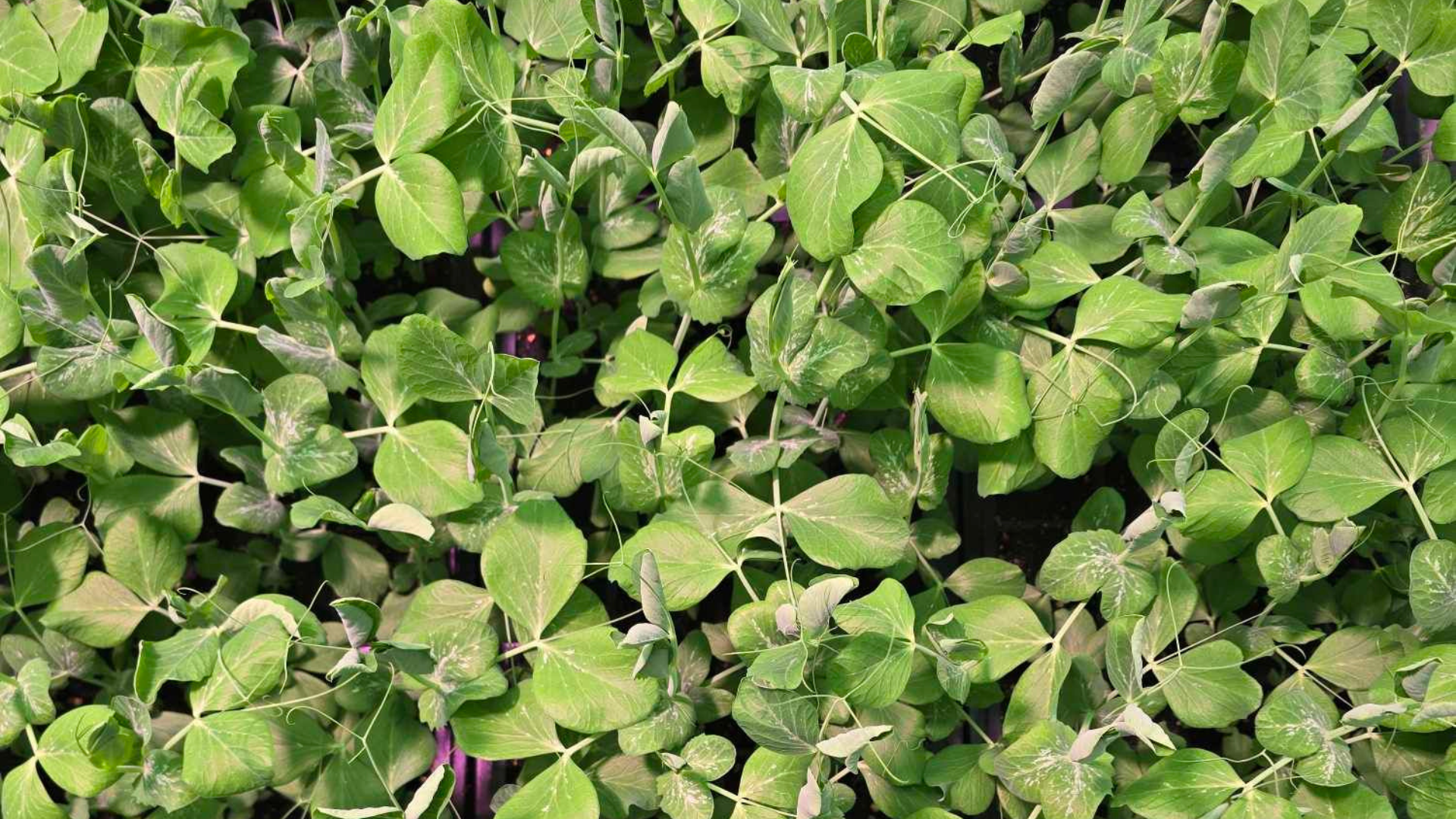
A recent collaboration between Innovation Agritech Group (IAG) and HiFe Plants has revealed a significant breakthrough in plant-based nutrition: just 25 grams of specially grown HiFe1 pea leaves can deliver 100% of a woman’s recommended daily iron intake.
The findings point to a potential new, natural approach to tackling iron deficiency, one of the most widespread nutritional challenges globally.
Addressing a Widespread Nutritional Gap
Iron deficiency remains a major public health issue, particularly among women of reproductive age. In the UK alone, around one-third of women aged 16–49 do not meet their daily iron requirements.
While iron supplements are commonly used to address this, they can often cause gastrointestinal side effects. At the same time, iron-fortified foods do not always deliver optimal absorption within the body.
This has created a clear need for more effective, food-based solutions.
A Breakthrough in Plant-Based Iron Delivery
HiFe Plants has been addressing this challenge through traditional plant breeding, developing naturally biofortified crops with significantly elevated iron content.
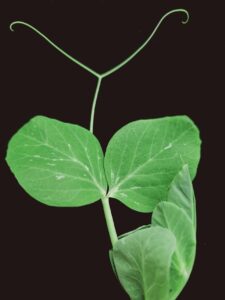
Their HiFe1 pea variety has demonstrated the ability to accumulate up to 40 times more iron in its leaves compared to standard pea varieties when grown under optimised conditions.
This makes it one of the most promising examples of how crop innovation can directly contribute to improved nutrition.
The Role of Controlled Environment Agriculture
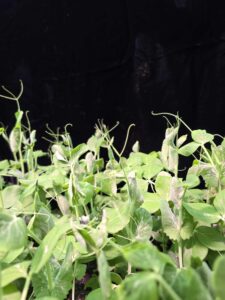
To validate and optimise these results, HiFe Plants collaborated with IAG to conduct trials using the advanced aeroponic Controlled Environment Agriculture (CEA) systems at IAG’s R&D Centre in Berkshire.
IAG provided a highly controlled growing environment, enabling precise management of key variables such as nutrients, light, humidity, and irrigation.
The trials demonstrated:
- Successful cultivation of HiFe pea shoots in aeroponic CEA systems
- Optimisation of environmental conditions to maximise iron accumulation
- Consistent, commercially viable yields suitable for vertical farming and controlled environment production
These results highlight the ability of CEA systems to move beyond productivity alone, enabling measurable enhancement of nutritional traits in crops.
Expert Insight from IAG
Laura Nelson, Commercial and Research Manager at Innovation Agritech Group, commented:
“IAG’s R&D Centre is designed to support innovation at the intersection of science and commercialisation. Our controlled environment agriculture (CEA) systems enable precise management of key growing variables, from nutrients and light to humidity, allowing collaborators like HiFe Plants to optimise crop traits, validate performance, and accelerate the journey from research to market-ready products. This level of control makes it possible to explore nutritional enhancement in ways that are difficult to replicate in open-field environments.
If we can enhance iron to this extent, it raises an important question: what other nutrients can we optimise in the same way? This could enable more natural, food-based approaches to addressing nutrient deficiencies.”
Turning Crop Science into Consumer Impact
Jacob Pullin, CEO at HiFe Plants, added:
“When people think of pea shoots, they don’t think of iron – our trial with IAG shows that maybe they should! The data from our partnership has impressed pea breeders and demonstrated that commercial HiFe pea shoots can be a source of iron without compromising on the great taste that people want from their salad leaves. We hope to build on this success with IAG going forward.”
What This Means for the Future of Food
This collaboration demonstrates the potential of combining advanced plant breeding with controlled environment agriculture to deliver meaningful nutritional improvements in everyday crops.
Rather than relying solely on supplements or fortification, this approach points toward a future where foods themselves can be naturally enhanced to address dietary deficiencies at source.
For sectors including food innovation, human nutrition, and agricultural technology, the implications are significant, opening the door to a new generation of functional, biofortified crops grown in controlled environments.
16 June 2026
Get in Touch